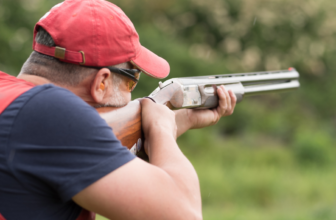
Today is June 4. If you own a firearm and keep it at home, today is a reasonable day to check how it is stored.
That is the practical core of National SAFE Day, and it is also the honest register of this piece. Neither of us is here to lecture. We both carry permits. We both store firearms at home. And we both know the difference between believing in responsible ownership and actually practicing it consistently is smaller than it should be.
What Is National SAFE Day?
National SAFE Day is an annual firearm-safety observance held each June 4. The day was established in 2016 by the Brooklynn Mae Mohler Foundation, founded by Jacob and Darchel Mohler after the death of their daughter Brooklynn on June 4, 2013. According to the foundation’s account as documented by National Today and Checkiday, Brooklynn was visiting a friend’s home when the friend found an unsecured firearm and accidentally discharged it while playing with it.
The Mohlers built the SAFE framework from that loss. The observance they organized focuses on four concrete practices: Secure, Ask, Frequently Talk, and Educate. We’ll come back to all four in a moment.
The day is distinct from other June observances like National ASK Day (June 21) and National Gun Violence Awareness Day. National SAFE Day is specifically about the SAFE framework, centered on storage practices and family conversations.
Why Does Firearm Storage Matter?
The research here is documented and worth stating plainly.
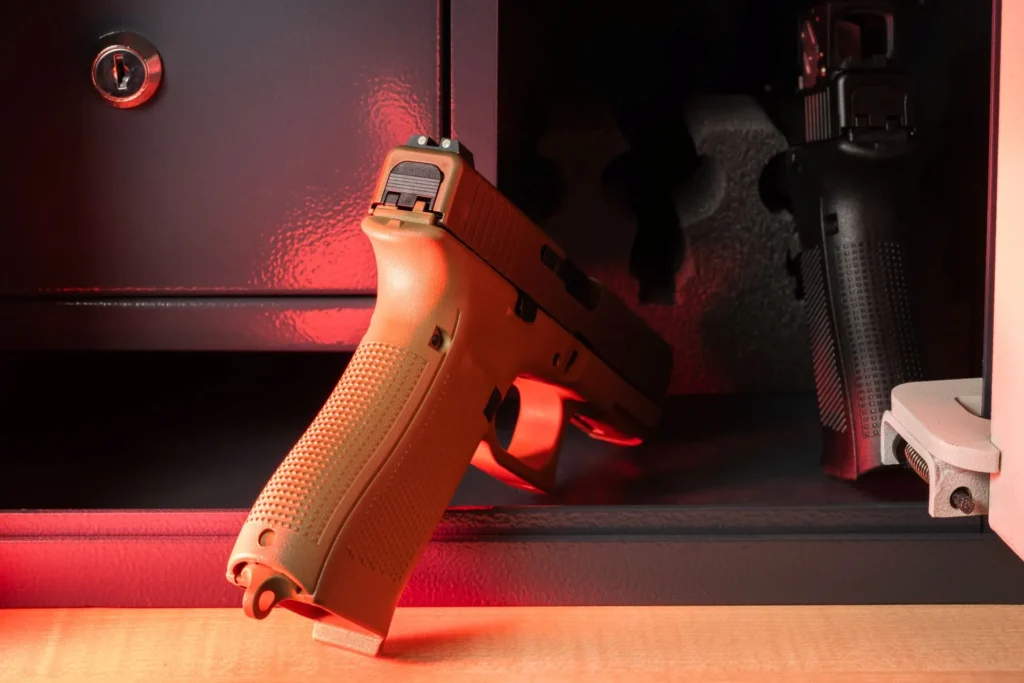
A 2021 national survey conducted by Harvard T.H. Chan School of Public Health researchers found that approximately 4.6 million U.S. children live in homes where at least one firearm is both loaded and unlocked simultaneously. That number matters because of how the researchers defined the risk category: not loaded, not unlocked, but both conditions present at the same time. The study, published in JAMA Network Open, also found that 44% of firearm owners with children stored all guns locked and unloaded in 2021, up from 29% in 2015. Progress, clearly. But because more families own firearms now, the absolute number of children in the highest-risk category stayed near 4.6 million even as the percentage improved.
That gap is the case for keeping the conversation going, don’t you think?
The CDC has published data on what happens when storage fails. A 2023 report in MMWR analyzed fatal unintentional shootings among children ages 0 to 17 across nearly two decades of National Violent Death Reporting System data. Among incidents where storage status was known, 74% of the firearms involved were stored loaded and 76% were stored unlocked. In 67% of those incidents, the firearm discharged while someone was playing with or showing it to another person.
A landmark case-control study published in JAMA found that storing firearms locked was associated with about a 73% lower risk of youth firearm injury, and storing them unloaded with about a 70% lower risk. The research direction is consistent across studies: locked, unloaded, and separately stored ammunition each represent a meaningful reduction in the conditions that allow unintentional shootings to occur.
What Does Secure Gun Storage Actually Look Like?
“Secure storage” has a precise definition worth knowing. The Harvard researchers used the strictest version: all firearms in the household stored both locked and unloaded. Not most guns. Not the guns you don’t use often. All of them.
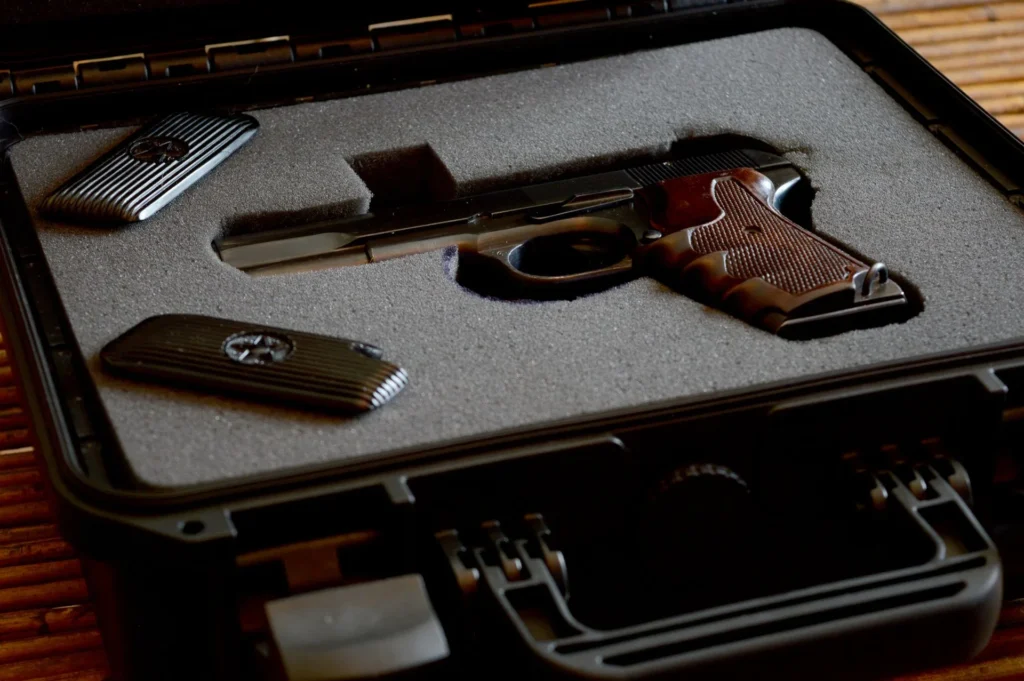
In practice, that means:
- Locked. A gun safe, a lockbox, or a trigger lock. The mechanism is less important than whether an unauthorized person can access the firearm without defeating it. If you’re weighing different access options, our earlier look at biometric lock options covers some of the trade-offs.
- Unloaded. The firearm itself is not chambered and not loaded.
- Ammunition stored separately. Ammunition is secured away from the firearm, ideally in a separate locked location.
All three conditions together are what the research associates with lower risk. Any single one is better than nothing, but the combination is the standard the literature uses.
What Is the SAFE Framework for Firearm Storage?
The Brooklynn Mae Mohler Foundation developed the SAFE acronym as a repeatable framework. It is worth knowing because it covers both the storage practice and the social habits around it.
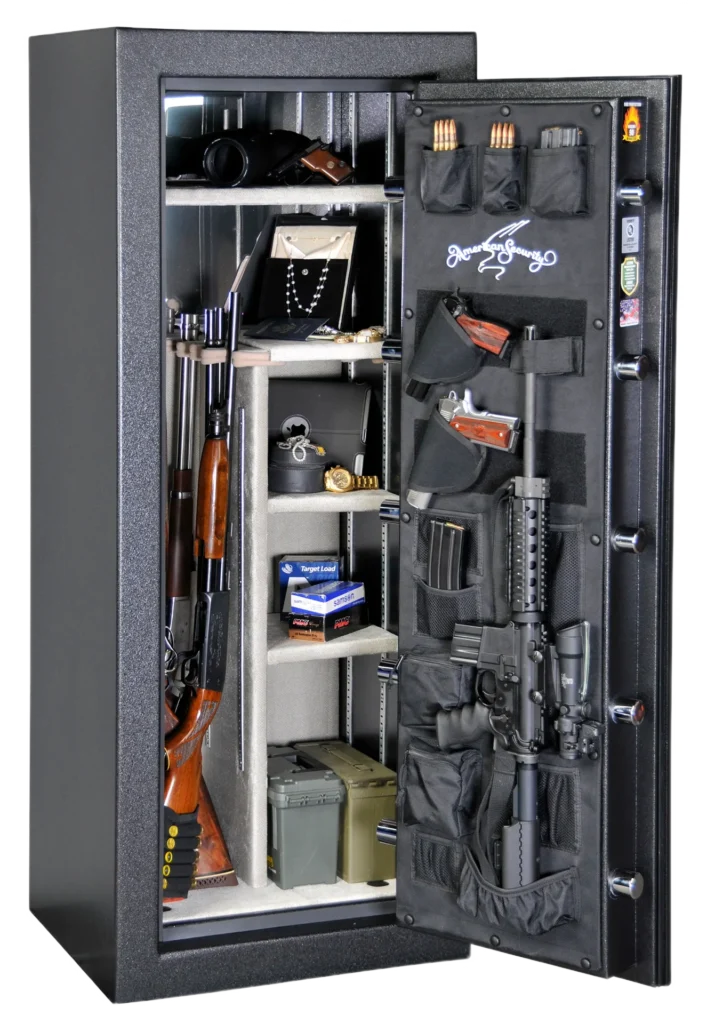
S: Secure. Store all firearms locked, unloaded, and with ammunition kept separately. This is the technical standard.
A: Ask. Before your child visits another home, ask whether there are firearms present and how they are stored. It is a reasonable question, and it is one that most people respect when asked plainly.
F: Frequently Talk. Ongoing family conversation about storage and handling is more durable than a single conversation. Storage habits change. Living situations change. The conversation is worth repeating.
E: Educate. Share what you know with other owners. The improvement from 29% to 44% safe storage in six years suggests that outreach and conversation move the number. It is a slow process, and it works.
The framework is not complicated. Its value is in the word “frequently”: it pushes against the tendency to treat storage as a one-time decision rather than an ongoing practice.
How Can You Take Action Today?
One concrete step for today: check every firearm in your household against the full definition. Locked, unloaded, ammunition stored separately. If anything falls short, fix it today rather than filing it as a reminder.
The 29%-to-44% improvement in safe storage households is a real signal that the behavior is changing. It is also a reminder that somewhere around half of households with children have not gotten there yet. Responsible ownership is not a credential you earn once. It is a practice you maintain.
Frequently Asked Questions
National SAFE Day is an annual firearm-safety observance held each June 4. The day was established in 2016 by the Brooklynn Mae Mohler Foundation, founded by Jacob and Darchel Mohler after the death of their daughter Brooklynn on June 4, 2013. It centers on the SAFE framework: Secure all firearms locked and unloaded with ammunition stored separately, Ask about firearms in homes your child visits, Frequently Talk with your family about storage practices, and Educate others in your community.
Secure gun storage means all firearms in the household are stored locked, unloaded, and with ammunition kept separately. Locked means a gun safe, lockbox, or trigger lock that an unauthorized person cannot defeat without defeating the mechanism. Unloaded means the firearm is not chambered and not loaded. Ammunition stored separately means secured away from the firearm, ideally in a separate locked location. All three conditions together are what the research associates with meaningfully lower risk.
The SAFE framework was developed by the Brooklynn Mae Mohler Foundation. S stands for Secure: store all firearms locked, unloaded, and with ammunition kept separately. A stands for Ask: before your child visits another home, ask whether firearms are present and how they are stored. F stands for Frequently Talk: ongoing family conversations about storage and handling are more durable than a single conversation, because storage situations change. E stands for Educate: share what you know with other owners, because community-level behavior change is how the safe-storage rate improves over time.
A 2021 national survey by Harvard researchers found approximately 4.6 million U.S. children live in homes where at least one firearm is both loaded and unlocked simultaneously. A 2023 CDC report found that in documented fatal unintentional shootings of children, 74% of the firearms involved were stored loaded and 76% were stored unlocked. A landmark JAMA case-control study found locked storage associated with about 73% lower odds of youth firearm injury, and unloaded storage with about 70% lower odds. The research direction is consistent: locked, unloaded, and separately stored ammunition each represent a meaningful reduction in risk.
The most direct action is to check every firearm in your household against the full secure-storage definition: locked, unloaded, and ammunition stored separately. If anything falls short, address it today. You can also use the SAFE framework to start a conversation with family members about your household storage practices, and ask about storage when your child visits another home.

Kailon Kirby covers the ammunition market for Target Sports USA, where he has a view most writers never get. Working inside one of the country's largest online ammo retailers, he tracks pricing movements, supply conditions, and brand-level shifts as they happen, not after the fact.
A Connecticut State Pistol Permit and Concealed Carry holder, Kailon isn't just watching the numbers. He shoots, he carries, and he understands what market changes actually mean for the person standing at the counter or checking out online. That combination of ground-level industry access and shooter perspective is what shapes everything he writes.
When something is moving in the ammunition market, Kailon is usually the first to see it.
- Kailon Kirby
- Kailon Kirby

- Kailon Kirby
- Kailon Kirby

Madalynn (Maddie) Giglio is a part of the creative team behind the brand marketing moves at Target Sports USA. With several years of experience across blog content, social media, and strategic marketing, she brings a seasoned eye to every campaign worked on, whether it’s collaborating hand in hand with top influencers like Tony Sentmanat (RealWorldTactical) or reppin’ the TSUSA brand at industry events like the Great American Outdoor Show (GAOS).
She has built a strong foundation in the firearms space by obtaining hands-on experience in the field, learning from industry pros, and hitting the range with friends and family. Her mix of first-hand experience and marketing instincts makes her a trusted voice and helps her craft content that speakers to serious shooters and new gun owners alike.
- Maddie Giglio
- Maddie Giglio
- Maddie Giglio

- Maddie Giglio