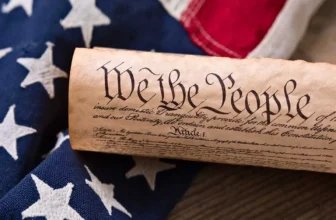
Most Americans will let May 14th pass without a second thought. There’s no federal proclamation attached to it, no school assembly, no sales held at the big-box stores. However, May 14th is Stars and Stripes Forever Day, a day where we honor the iconic composition deemed the National March of the United States of America. If you spend any time at a range or care about American shooting culture, the story behind it is worth learning about.
In particular, John Philip Sousa, the man who wrote the march, was also a dedicated trap shooter who competed for decades, won at the national level, and helped build the organization that became today’s Amateur Trapshooting Association.
That combination, the march and its ties to the shooting community, are what make this holiday feel like our own.
Who Was John Philip Sousa?
Stars and Stripes Forever Day is observed on May 14th, marking the date in 1897 when John Philip Sousa first performed “The Stars and Stripes Forever” publicly, near Philadelphia. Nearly 100 years later, Congress designated the composition the National March of the United States on December 11, 1987.
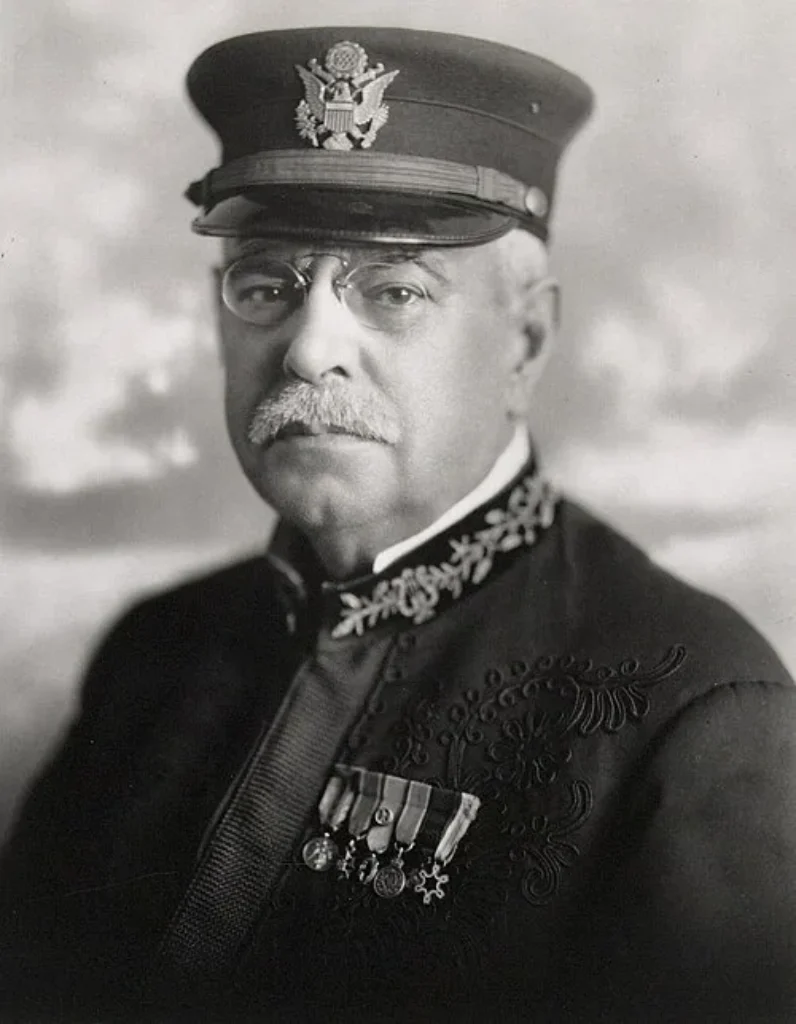
Born in 1854 in Washington, D.C., John Philip Sousa enlisted in the Marine Corps at 13 years old as an apprentice musician, and by 1880 he was conducting the U.S. Marine Band. He held this post for 12 years before forming his own ensemble. For decades after, Sousa toured the country and Europe with his band, selling out concert halls left and right.
The march that would define him was conceived on Christmas Day 1896, as he crossed the Atlantic Ocean on a steamship. Sousa, driven by his homesickness and patriotism, heard the melody in his head, and spent the rest of the voyage working through it. When he docked, he committed it to paper and the piece was later performed publicly in May 1897. By 1900 it was inescapable. It still is.
He died on March 6, 1932, in Reading, Pennsylvania, following a rehearsal of his band. He was 77.
What most biographical summaries omit is that for the last 25 years of his life, he shot trap nearly as often as he played music. He picked up trap shooting around 1906 and never looked back. Becoming a skilled marksman, he found himself trap shooting competitively and even served as the founding president of the organization that became today’s Amateur Trapshooting Association (ATA).
Sousa and the Trap Range: The March King’s Other Passion
Sousa picked up competitive trapshooting in 1906 at the age of 51, late enough in life that most serious athletes would not be starting anything new. He didn’t treat it as a hobby, but rather a passion. By the end of his life, ATA records show he had registered more than 35,000 lifetime targets, a substantial volume even by the standards of the era. He competed at handicap distances as far as 18 yards, an assignment earned through demonstrated skill under ATA classification rules. The farther back the line, the harder the target, and 18 yards put Sousa among the field’s better shots.
The results confirm his skill. At the 1910 Vermont State trapshooting main event, he shot 78 out of 80 and won. That same year, he finished third in the Southern Preliminary Handicap in Columbus, Georgia, breaking 95 of 100 in a field of more than 200 shooters. In 1913, he won the Berlin Handicap at Ocean City, Maryland, shooting 94 out of 100 from the 18-yard line.
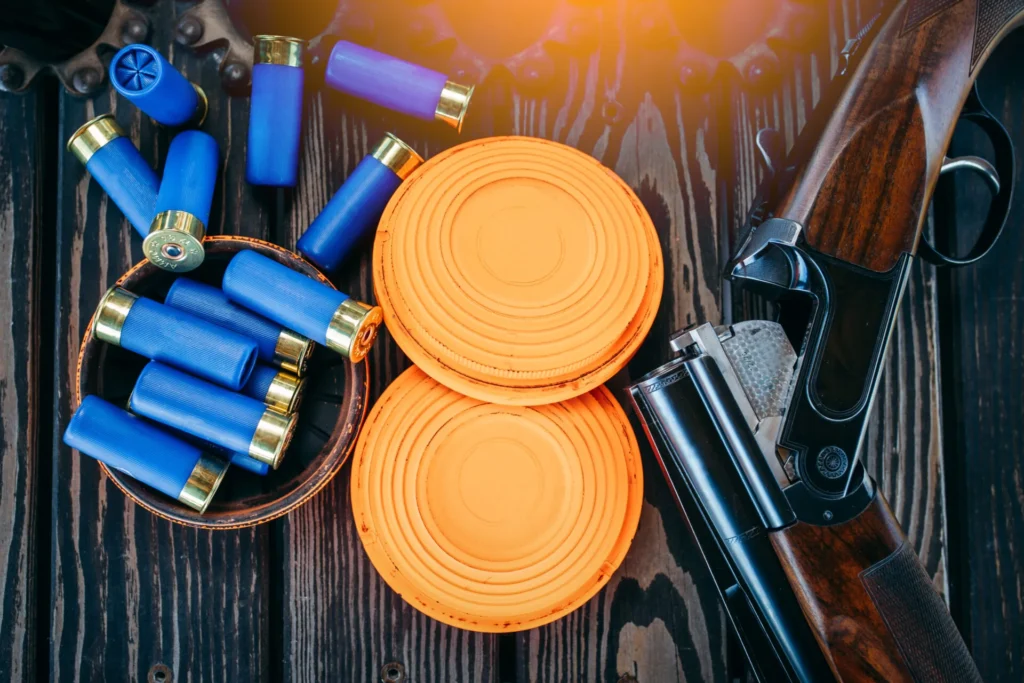
His club affiliations were just as intentional. He was a member of the Pinehurst Gun Club in North Carolina, which he considered his favorite club. Fellow members there nicknamed him “Chief March King” under their prestigious Okoboji Indians team. He competed in the Army-Navy match at Pinehurst in 1919, finishing as the Navy team’s top scorer.
In 1916, Sousa became the first president of the American Amateur Trapshooting Association (AATA), the forerunner of today’s Amateur Trapshooting Association. He held that post through 1919. After his death, his family donated the Sousa Memorial Trophy, awarded annually at the Grand American Handicap.
The Ithaca Gun Company even named their highest-grade single-barrel trap gun after him, known as “The Sousa Special”. And in 1985, the ATA inducted him posthumously into its Hall of Fame. Sousa was a serious competitive shooter who helped build the institutional structure of the sport he loved.
Why May 14th Matters to the Shooting Community
Stars and Stripes Forever Day is an unofficial observance. There is no congressional proclamation for it as a holiday, no federal day off, no uniform ceremony. What it has is a credible date and a documented history nestled within the gap in the calendar that sits between Memorial Day and Flag Day. For the shooting community, that stretch of late spring is already one of the year’s more active periods. Ranges see higher traffic, buying patterns shift, and the cultural mood tilts toward American heritage.
Around patriotic holidays and observances, the appetite for American-made brands is real and measurable. The brand on the box begins to matter. That is not a sentiment. It is a customer behavior signal, and it is consistent enough that it shapes how we think about what to stock and when.
May 14th has not historically been part of that pattern, because most people in the shooting community have never heard of it. Sousa’s shooting career gives this holiday a legitimate claim as a genuine piece of American range history that has been sitting in the ATA archives for a century.
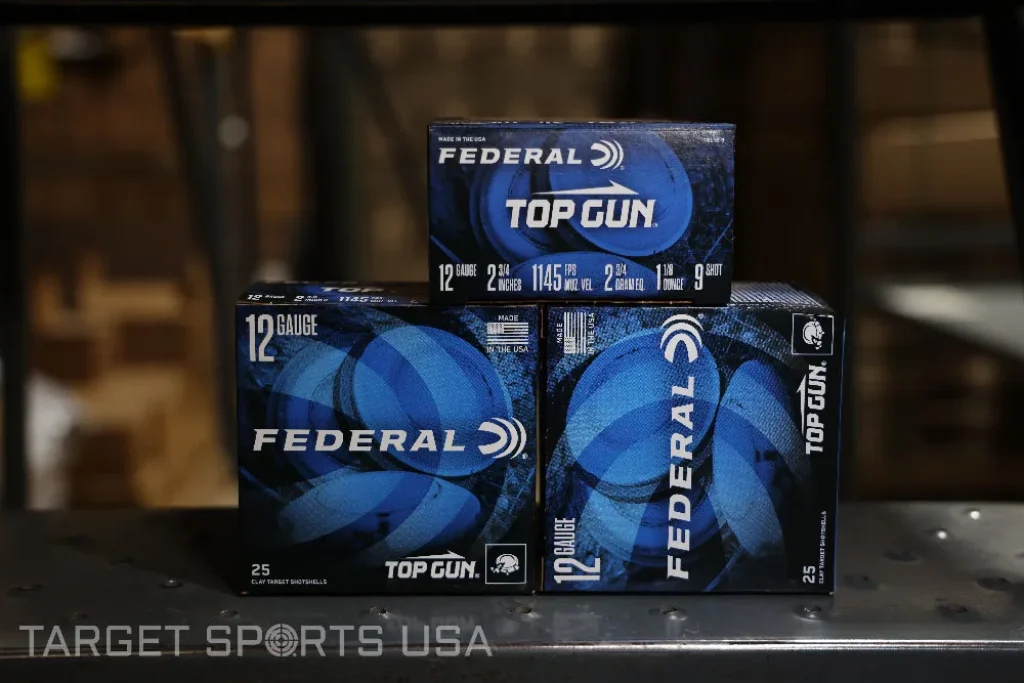
American Ammo for an American Holiday
A holiday that celebrates American craftsmanship and the range tradition is a reasonable occasion to think about what you’re putting through your gun.
The domestic ammunition industry is built on a handful of names with deep roots in American communities. Federal Premium ammunition is manufactured in Anoka, Minnesota, on a 175-acre campus that employs roughly 1,500 workers. Hornady ammunition comes straight from Grand Island, Nebraska, where the family-owned company operates two facilities and manufactures approximately 98% of its products domestically. Remington loads its rounds in Lonoke, Arkansas. CCI runs its rimfire and pistol production out of Lewiston, Idaho. Winchester, one of the oldest names in American ammunition, has manufactured in East Alton, Illinois for generations and expanded its domestic footprint in 2025 with a new facility in Manitowoc, Wisconsin.
For a deeper look at how American ammunition is made and how the domestic manufacturing tradition developed, that piece is worth your time.
Making It a Range Day
The most obvious way to observe Stars and Stripes Forever Day is to go to the range.
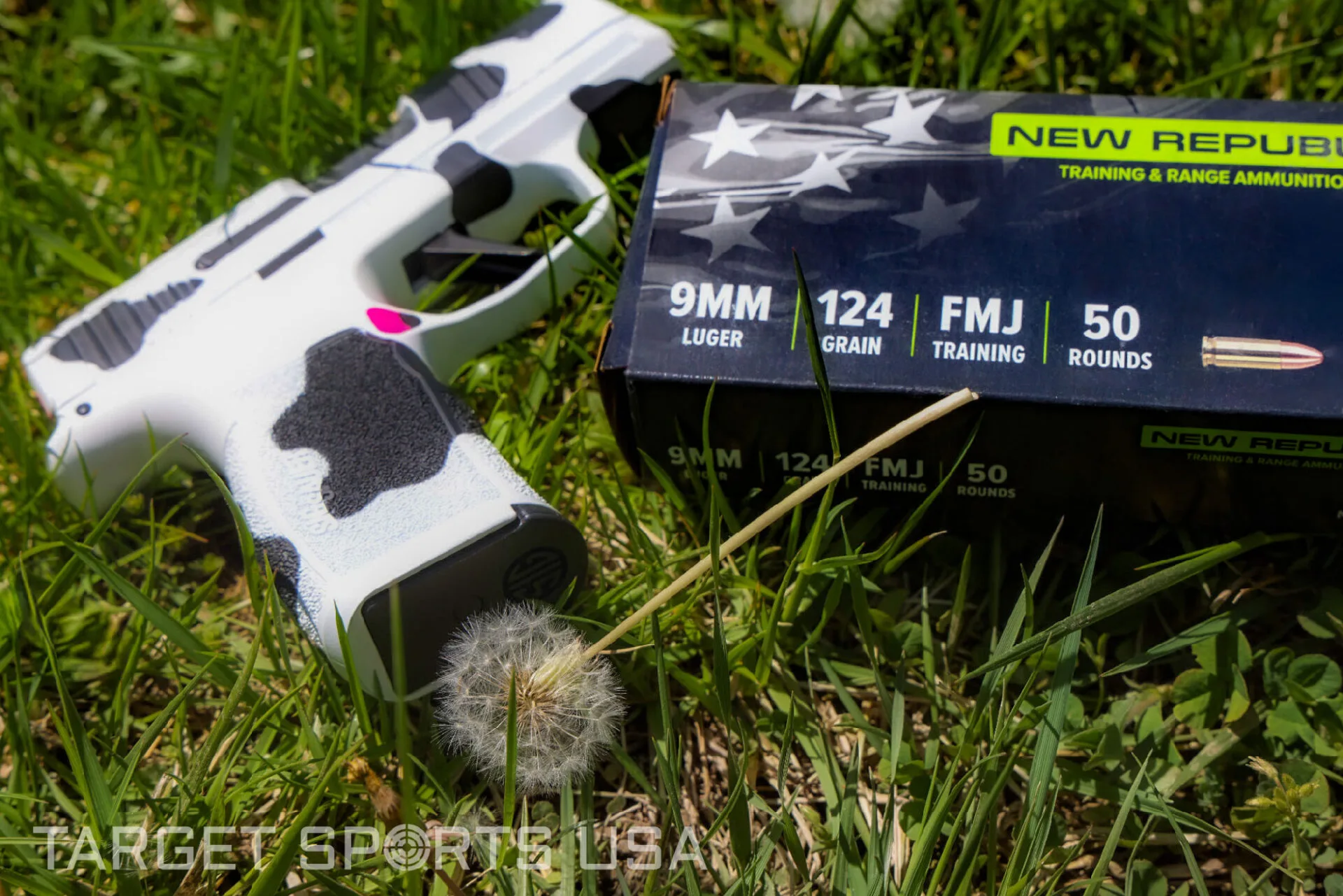
That is not a complicated instruction. Pick a Saturday morning, load the range bag with American-made ammunition, and fire a few rounds. If you shoot pistol, 9mm Luger and .45 ACP are the practical choices for range work. If you want something with a bit more historical resonance and the rifle bay is open, .30-06 Springfield covers both.
For those putting together a pistol range session and still working out which 9mm load runs best through their particular setup, the best 9mm range ammo guide is a great starting point. The picks there reflect what moves in real-world volume, not just what shows up on magazine “best-of” lists.
The observation worth taking away from Stars and Stripes Forever Day and Sousa’s story is not that he was famous for creating our great nations march and also shot trap. Plenty of notable people have been recreational shooters. What makes his record different is the scale and the commitment: 35,000 targets, two state and regional wins, a founding presidency of the national governing organization. He was not dabbling. He treated the range with the same passion and significance he brought to the podium. That is what makes Stars and Stripes Forever Day worth recognizing, not only as a celebration of a patriotic American march, but as a reminder of the people behind our national traditions and the many ways they helped shape American culture, music, and sport.
Stars and Stripes Forever Day is observed on May 14th, marking the date in 1897 when John Philip Sousa first performed “The Stars and Stripes Forever” publicly, near Philadelphia. Congress designated the march the National March of the United States on December 11, 1987 (Public Law 100-149). Sousa was also a competitive trap shooter, serving as the founding president of the organization that became today’s Amateur Trapshooting Association, which makes May 14th a natural touchstone for the American shooting community.
Yes. Sousa began competitive trapshooting in 1906 and registered more than 35,000 lifetime targets under ATA records. He competed at handicap distances as far as 18 yards and won at state and regional levels, including the 1910 Vermont State trapshooting main event and the 1913 Berlin Handicap in Ocean City, Maryland. In 1916, he became the first president of the American Amateur Trapshooting Association, the forerunner of today’s ATA. The ATA inducted him posthumously into its Hall of Fame in 1985.

Madalynn (Maddie) Giglio is a part of the creative team behind the brand marketing moves at Target Sports USA. With several years of experience across blog content, social media, and strategic marketing, she brings a seasoned eye to every campaign worked on, whether it’s collaborating hand in hand with top influencers like Tony Sentmanat (RealWorldTactical) or reppin’ the TSUSA brand at industry events like the Great American Outdoor Show (GAOS).
She has built a strong foundation in the firearms space by obtaining hands-on experience in the field, learning from industry pros, and hitting the range with friends and family. Her mix of first-hand experience and marketing instincts makes her a trusted voice and helps her craft content that speakers to serious shooters and new gun owners alike.
- Maddie Giglio

- Maddie Giglio
- Maddie Giglio

- Maddie Giglio