If you’ve spent any time in shooting sports circles around mid-April, you’ve probably encountered some version of April 17 “Happy 2A Day.” What’s harder to pin down is which 2A Day people mean, and why April 19, rather than any other date on the calendar, carries the weight it does for so many in this community. There are at least three distinct observances that travel under this name, and they each have different origins, different organizers, and different dates. Getting them straight is worth doing before you decide which one you’re actually marking.
What Is 2A Day? (There Are Actually Three Answers)
The term “2A Day,” shorthand for Second Amendment Day or 2nd amendment day depending on who’s writing it, does not refer to a single established observance. It refers to at least three.
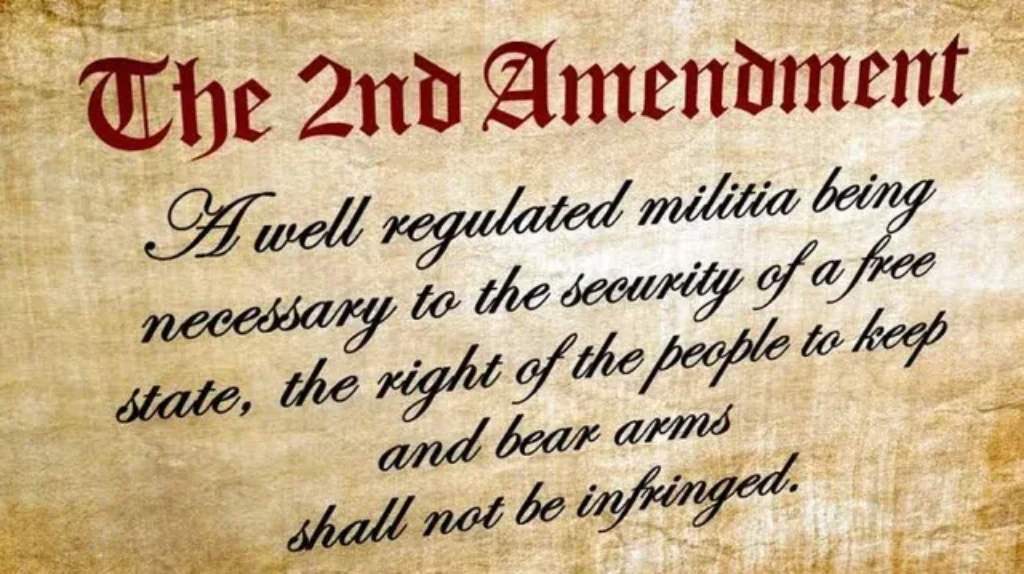
The first is a formal designated date: April 17 was created as a national observance in 2019 by Deborah Lane, with reported congressional support from a resolution introduced by a Texas congressman backed by national firearms industry and advocacy organizations. This is the version that shows up on national day aggregator sites and in official-sounding descriptions. It involves community events, and its April 17 date is fixed, not historically derived.
The second is a commercial observance: Brownells runs a “National 2nd Amendment Day” on February 22; their 2025 event was their fourth annual, placing the inaugural year at approximately 2022. Brownells’ version involves range partnerships for free range time, retailer sales, and donations to Second Amendment-focused organizations. In 2023, Brownells noted they donated $22,222 from event sales to the Second Amendment Foundation, Gun Owners of America, and the Iowa Firearms Coalition. It is a well-structured industry event. It is also February, and the date has no particular historical connection beyond being a clean calendar peg for an annual sales and advocacy moment.
The third, and the one with the deepest historical roots, is April 19. This version has no founding organization, no formal designation at the federal level, and no single launch year. It’s a grassroots community tradition that connects the Second Amendment to a specific event: what happened in Massachusetts on April 19, 1775.
That distinction matters. If you want to understand why the firearms community treats this date as symbolically significant, you have to understand what the date actually refers to.
Why April 19? The Connection to 1775
On the morning of April 19, 1775, roughly 700 British regulars marched from Boston toward Concord, Massachusetts, under the command of Lt. Col. Francis Smith, with Maj. John Pitcairn leading the advance column. Their mission was specific: locate and destroy the colonial military stores (arms and powder) that the Massachusetts Provincial Congress had been stockpiling there.
They did not get that far unopposed.
At Lexington Green, around 5 a.m., Capt. John Parker had assembled approximately 70 minutemen. A shot of unknown origin, still genuinely contested by historians, triggered a British volley. Eight colonists were killed and 10 wounded. The militia dispersed, and the British column pressed on toward Concord.
By the time they reached Concord’s North Bridge, the arithmetic had changed. More than 400 colonial militia and minutemen had assembled on the high ground above the bridge. When the British fired on the colonists at the bridge, Maj. John Buttrick ordered his men to return fire, killing three British soldiers and wounding nine. The British began their retreat.
That retreat covered approximately 12 miles back to Boston, and it was not orderly. Colonial militia followed the road from both sides, ambushing the column most of the way back.
The final count, using figures from the American Battlefield Trust’s primary research: the British suffered roughly 73 killed, 174 wounded, and 53 missing; the colonists suffered 49 killed, 39 wounded, and 5 missing. (The Army Center of Military History’s tallies differ slightly: 65 killed, 180 wounded, and 27 missing for the British, which is worth noting because these figures come from records that weren’t perfectly maintained in the field. Neither source claims finality.)
The phrase most people associate with this day, “the shot heard round the world,” was not coined in 1775. It comes from Ralph Waldo Emerson’s 1837 poem “Concord Hymn”: “Here once the embattled farmers stood / And fired the shot heard round the world.” Emerson was referring specifically to the colonial volley at the North Bridge, not the first confused shot at Lexington. That the phrase has come to describe the entire engagement, and the day itself, is one of those retrospective compressions that history tends to make.
The historical point that connects April 19 to Second Amendment values is not the romanticized version. It’s the operational detail: the British column marched out specifically to seize and destroy the colonists’ arms. The armed citizen tradition that the community marks on April 19 begins with that specific fact, not with the mythology that grew up around it.
How a History Date Became a Community Tradition
Patriots’ Day, the official commemoration of the Lexington and Concord engagements, is a state holiday in Massachusetts and Maine, observed on the third Monday of April since 1969, when Massachusetts moved it from the fixed April 19 date. Connecticut recognized it in 2018. It involves reenactments, road races, and civic remembrance. It is not, in any formal or official sense, a Second Amendment holiday.
The firearms community’s use of April 19 as a 2A-relevant anchor is entirely separate from that state holiday structure. No organization formally designated it. Congress passed no resolution for it. It developed the way most durable community traditions develop, through shared reference, repeated enough times that it became self-evidently the date.
That’s worth naming clearly, because the reader who searches “what is 2A Day” and finds April 17 on an aggregator site, and April 19 in firearms community spaces, and February 22 on Brownells’ promotions page, is not confused through any fault of their own. The terminology is genuinely fragmented. Three separate observances, all traveling under similar names.
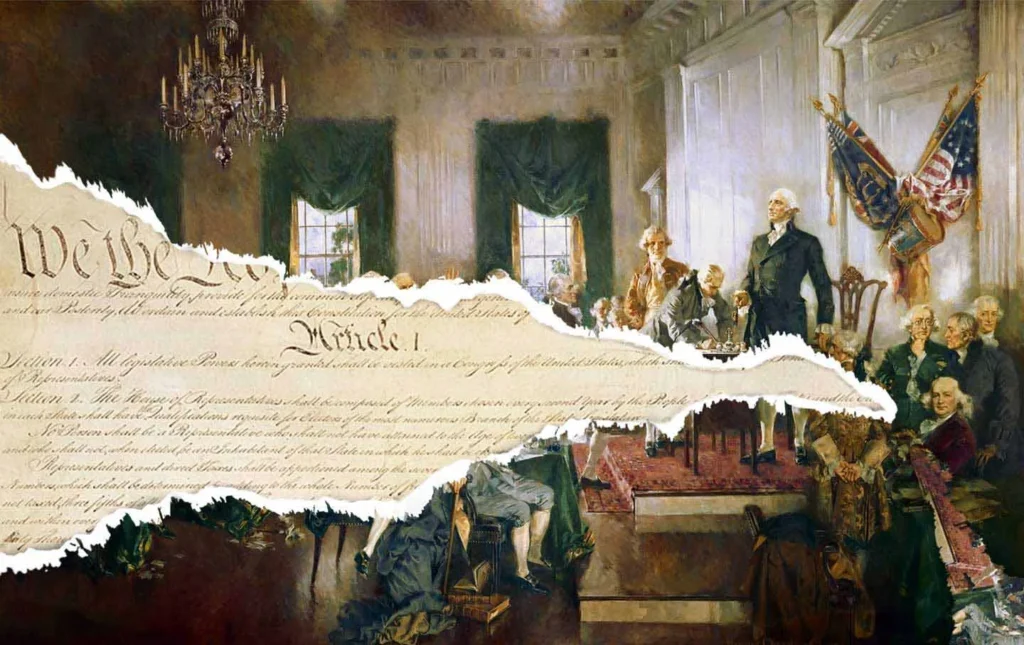
For broader context: the Second Amendment community has several other calendar anchors. Bill of Rights Day, observed December 15, has been a recognized federal observance since 1941, when FDR issued the first presidential proclamation for it. That’s the date the Second Amendment was ratified, as part of the Bill of Rights, in 1791. Constitution Day, September 17, is codified in federal law. These are the formally designated dates. April 19 sits alongside them as something different: a community-held date with historical weight, rather than an official one.
How the 2A Community Marks April 19 Today
There’s no standardized format for how April 19 is observed, which is consistent with how a grassroots tradition works. Range days are common; a number of shooting ranges run events or informal gatherings on or around the date. Retailers and industry organizations have increasingly acknowledged it on their calendars, though observance varies widely.
Brownells’ February 22 structure is a useful reference point for understanding how industry has started to codify the broader impulse: range partnerships, sales tied to the date, and organizational donations. That format hasn’t been universally adopted for April 19 specifically, but it illustrates the kind of structure that emerges when an informal community tradition acquires commercial acknowledgment.
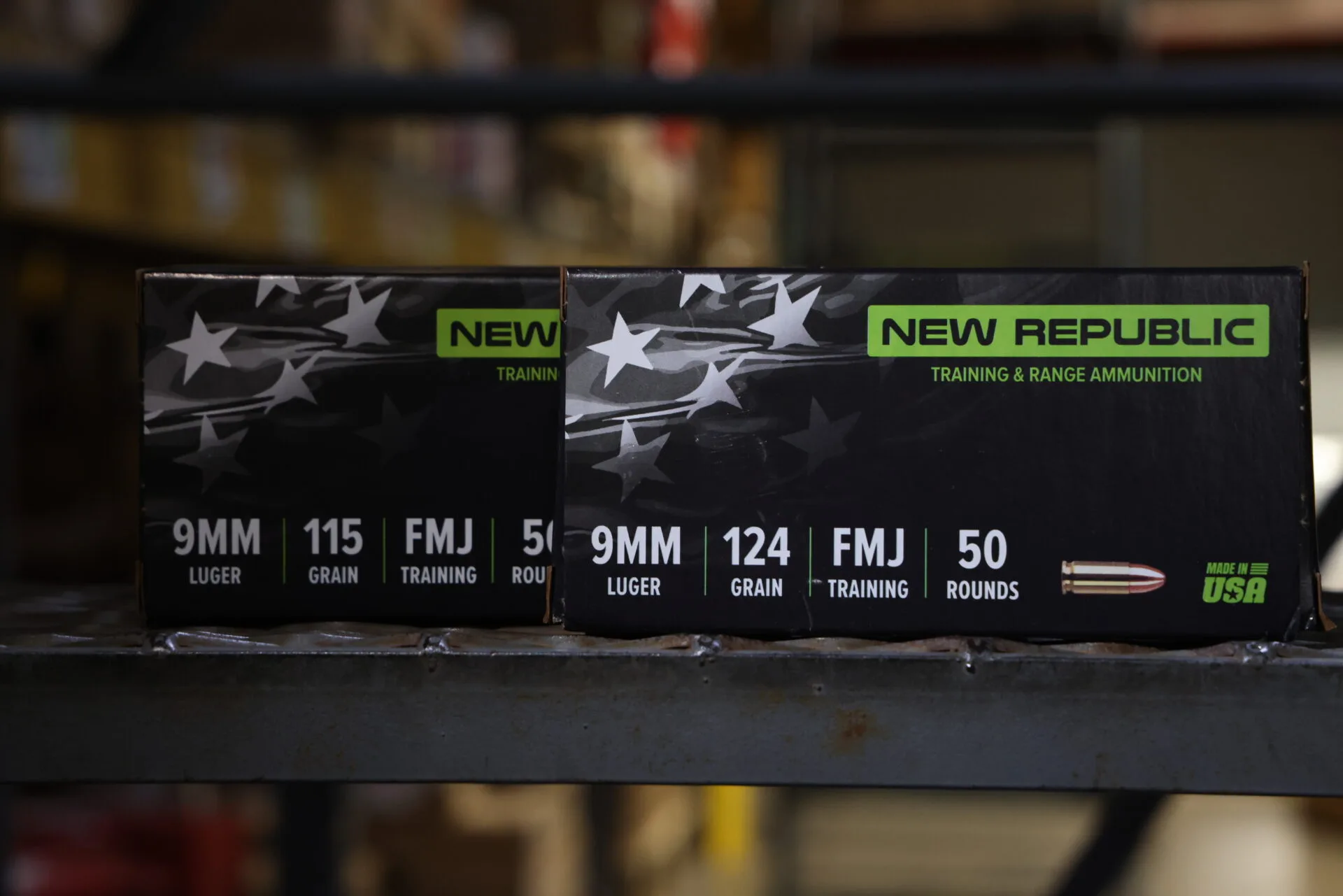
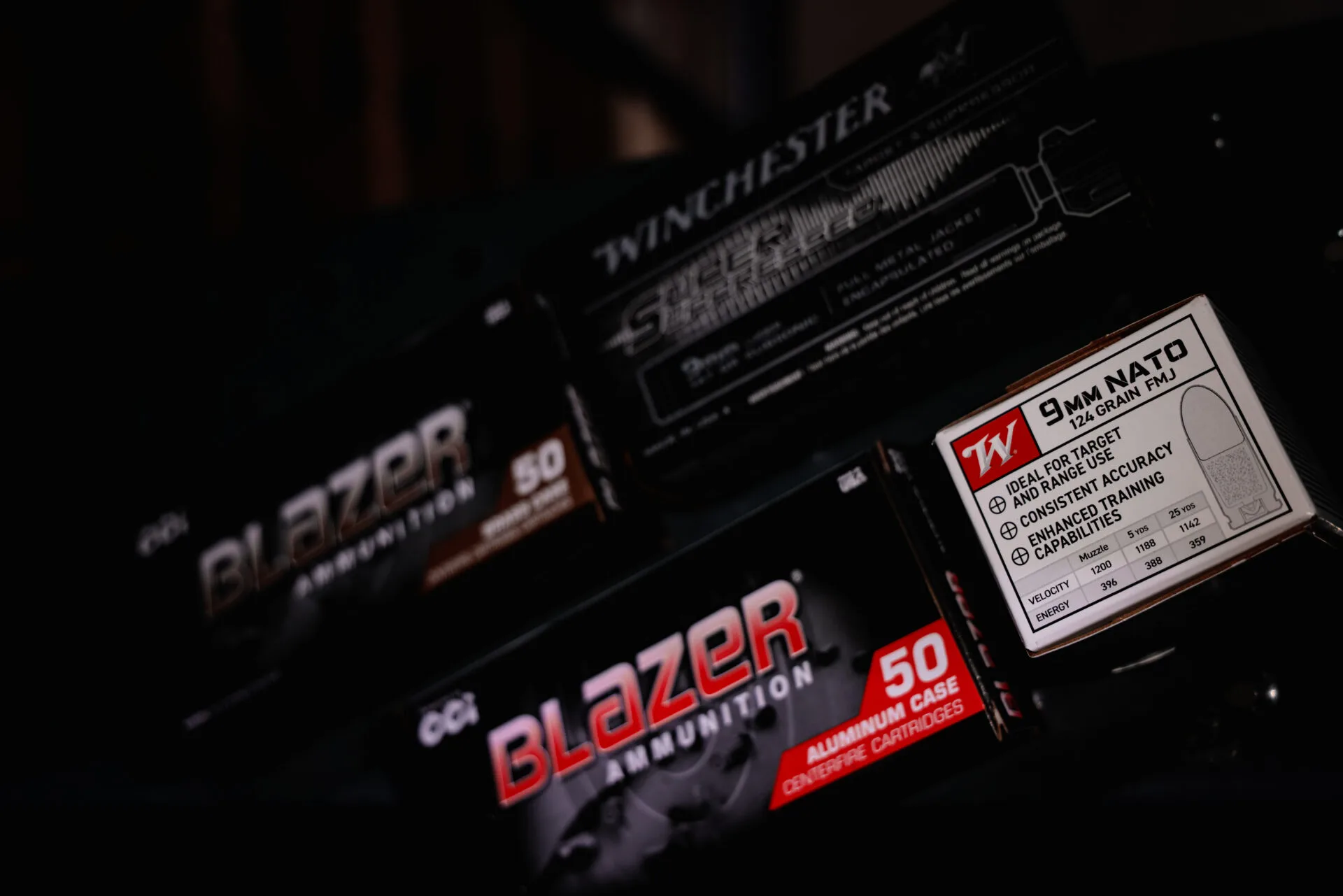
For people who want to mark the day concretely, the most common approach is straightforward: get to the range. April is a reasonable window in most of the country, and the day maps naturally to the kind of round count that benefits from planning ahead. If you’re putting together a range kit for April 19, it’s worth looking at best 9mm range ammo, a resource covering what performs well for volume shooting days, which is typically what April 19 looks like. For stocking up before the date, TSUSA’s 9mm ammunition category has reliable availability and bulk pricing that makes sense for range-day planning.
The observation itself doesn’t require any particular gear or format. What it requires is knowing what April 19, 1775 was, which is the only thing this piece has been trying to give you.
Frequently Asked Questions
“2A Day” refers to observances honoring the Second Amendment. The term covers at least three distinct events: a formally designated April 17 national observance created in 2019, a Brownells-organized commercial observance on February 22 (running since approximately 2022), and an informal grassroots community tradition of marking April 19, the anniversary of the 1775 Battles of Lexington and Concord. The April 19 observance has no official designation or founding organization; it developed from the historical significance of the date within the firearms community.
It depends on which observance you mean. The formally designated “2A Day” is April 17. Brownells’ “National 2nd Amendment Day” falls on February 22. The grassroots firearms community tradition marks April 19, which is the 1775 anniversary of the Battles of Lexington and Concord. Some commercial observances use a “third Thursday of April” formula (which can fall on April 17 in some years), which is the source of occasional date discrepancies across sites.
April 19, 1775, was the date of the Battles of Lexington and Concord, the first military engagements of the American Revolutionary War. The British column that marched that day was specifically tasked with seizing and destroying colonial arms and powder stores at Concord. That operational fact, specifically a government force sent to disarm a civilian population, is what the firearms community marks when it observes April 19. It is a historical symbolism, not a formally designated holiday.
The answer differs by observance. The April 17 “2A Day” was created by Deborah Lane in 2019. Brownells’ February 22 observance dates to approximately 2022. The April 19 grassroots community tradition has no identifiable founder or launch year; it developed organically from the historical significance of the date, with no single organization originating it.
April 19 Is Worth Understanding on Its Own Terms
There’s a version of this that becomes a rally: a stirring invocation of armed farmers and colonial resistance and the rights we carry today. That version is easy to write and not particularly useful to read.
The more useful version is the one above: a precise account of what happened on a specific day in Massachusetts in 1775, why the firearms community has chosen to mark it, and how the terminology around “2A Day” has fragmented across at least three distinct observances that are easy to conflate if no one slows down to separate them.
If April 19 means something to you now that it didn’t before, the practical question is what to do with it. Most people in this community answer that question the same way: stock up for the range at Target Sports USA and get some rounds downrange. The history is the context. The range day is the thing.

Kailon Kirby covers the ammunition market for Target Sports USA, where he has a view most writers never get. Working inside one of the country's largest online ammo retailers, he tracks pricing movements, supply conditions, and brand-level shifts as they happen, not after the fact.
A Connecticut State Pistol Permit and Concealed Carry holder, Kailon isn't just watching the numbers. He shoots, he carries, and he understands what market changes actually mean for the person standing at the counter or checking out online. That combination of ground-level industry access and shooter perspective is what shapes everything he writes.
When something is moving in the ammunition market, Kailon is usually the first to see it.
- Kailon Kirby

- Kailon Kirby
- Kailon Kirby

- Kailon Kirby

Madalynn (Maddie) Giglio is a part of the creative team behind the brand marketing moves at Target Sports USA. With several years of experience across blog content, social media, and strategic marketing, she brings a seasoned eye to every campaign worked on, whether it’s collaborating hand in hand with top influencers like Tony Sentmanat (RealWorldTactical) or reppin’ the TSUSA brand at industry events like the Great American Outdoor Show (GAOS).
She has built a strong foundation in the firearms space by obtaining hands-on experience in the field, learning from industry pros, and hitting the range with friends and family. Her mix of first-hand experience and marketing instincts makes her a trusted voice and helps her craft content that speakers to serious shooters and new gun owners alike.
- Maddie Giglio

- Maddie Giglio
- Maddie Giglio
- Maddie Giglio