Virginia signed a new magazine capacity rule into law on May 14, 2026, and almost every headline since then has called it a “30-round magazine ban.” That framing is worth correcting early, because the actual legal threshold is 15 rounds, not 30. Thirty-round magazines are captured by the new rule, but only because they exceed 15. The rule itself does not single out 30-round magazines.
Editor’s note: This article was updated in June 2026 to reflect the enacted text of Virginia’s magazine law (2026 Acts of Assembly, Chapter 1106), including an important clarification that the law sets no age limit on possessing magazines.
From inside one of the country’s largest online ammo retailers, this distinction matters in practical terms: a Virginia customer checking out with a 20-round magazine is as affected as one ordering a 30-rounder. The threshold is 15. Understanding exactly where that line sits, and what it does and does not cover, is the most useful thing a Virginia shooter can have in hand right now.
The rule takes effect July 1, 2026.
What Virginia’s New Rule Actually Restricts
Virginia’s new magazine capacity law prohibits the sale, purchase, transfer, barter, and importation of magazines capable of holding more than 15 rounds of ammunition. That five-part list is worth reading in full. Barter is included. Importation is included. This is not limited to formal retail transactions.
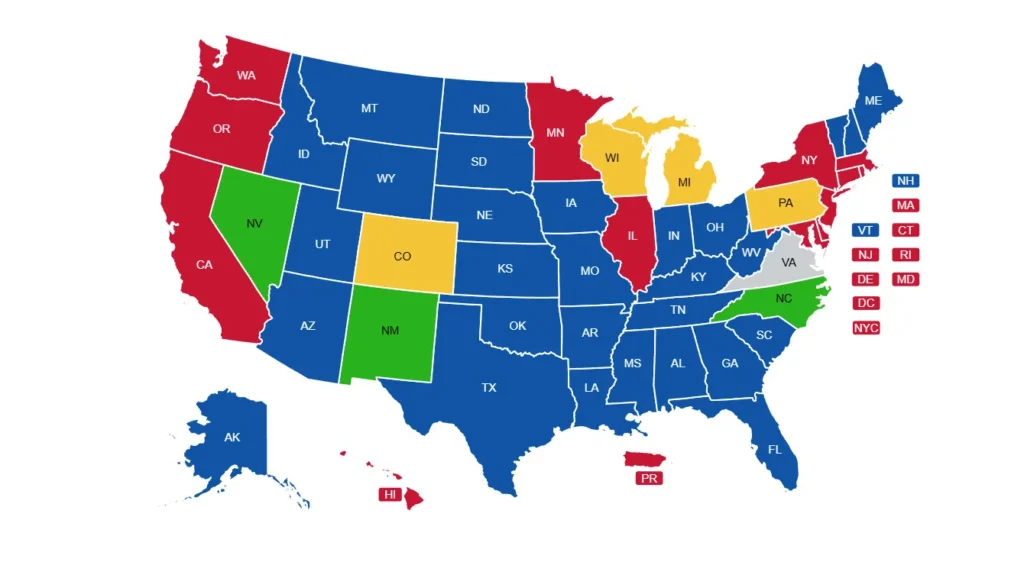
The legal definition the rule works from is “magazines capable of holding over 15 rounds of ammunition.” The threshold is 15, which means a 16-round magazine crosses the line the same as a 30-round one. The number that has dominated most coverage, 30 rounds, became shorthand because it is the most common above-capacity magazine people associate with common semiautomatic rifles. But 30 is not the legal number. Fifteen is.
The history of how modern magazine design arrived at these capacity standards is covered in a separate piece in the blog archive. Worth reading alongside this one.
What the Rule Does Not Restrict
Two things the new rule leaves untouched are worth stating directly.
First, possession is not restricted. The law does not ban, limit, or set any age requirement on simply possessing a magazine, at any capacity. It does not require anyone to surrender, register, or destroy magazines they already own. Someone who owns a 30-round magazine can keep it. This is confirmed by the enacted statutory text (Code of Virginia § 18.2-309.1), which restricts only the sale, purchase, transfer, barter, and importation of these magazines, not their possession. As always, Virginia residents with questions about their specific situation should consult a qualified attorney.
Second, ammunition is not restricted by this rule. Virginia’s new magazine capacity law addresses magazines, not the ammunition that goes through them. The purchase of ammunition to a Virginia address is not affected by this statute.
The rule also does not create a separate, stricter category for 30-round or higher-capacity magazines. The operative threshold is 15 rounds. Everything above it falls within the same prohibition, regardless of capacity.
Is There an Age Limit on Magazines in Virginia?
No. This is the point most worth getting right, because some early coverage suggested an age angle that is not in the law.
Virginia’s magazine capacity law sets no age limit on possessing a magazine of any capacity. The statute restricts only the sale, purchase, transfer, barter, and importation of magazines over 15 rounds, and those restrictions apply to everyone equally. There is no separate, age-based possession rule for magazines. The enacted text, Code of Virginia § 18.2-309.1, contains no possession offense and no age threshold at all.
In practical terms: a 20-year-old who lawfully owns a magazine over 15 rounds is in the same position as a 30-year-old. Neither is barred from possessing it. What neither can do after July 1, 2026, is buy, sell, transfer, barter, or import one.
The only age-based firearm possession rule in Virginia is a separate, long-standing statute that bars anyone under 18 from possessing a handgun or assault firearm, not magazines, with the usual exceptions for hunting and supervised range use.
Are 30-Round Magazines Still Legal in Virginia?
Under Virginia’s new magazine capacity rule, 30-round magazines are no longer legal for sale, purchase, transfer, or importation in Virginia. The rule sets the threshold at magazines holding more than 15 rounds. Thirty-round magazines exceed that limit. Existing owners can keep magazines they already lawfully own. The law does not restrict possession and sets no age limit on it.
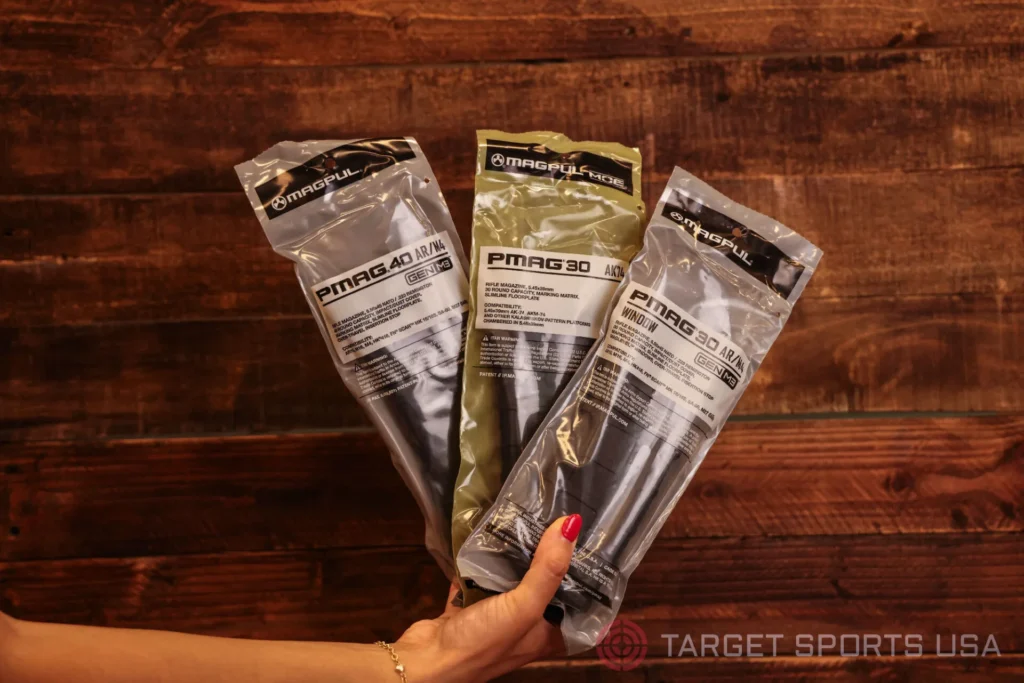
That is the direct answer. Here is the fuller picture.
The rule’s reach extends to any magazine holding more than 15 rounds, regardless of what firearm it is designed for. Handgun magazines, rifle magazines, and any other feeding device over 15 rounds fall within the same restriction. A 17-round pistol magazine is as affected as a 30-round AR-pattern magazine. That is a point that tends to get lost when “30-round mag ban” is the shorthand in circulation, because pistol owners sometimes conclude the rule does not apply to them. It does.
Keeping a magazine you already own is not restricted, for anyone, at any age. What the law prohibits is the sale, purchase, transfer, barter, or importation of these magazines going forward. So a lawfully owned magazine can stay in your possession, but it cannot be sold, transferred, or bartered to someone else.
What Magazines Are Still Available to Virginia Residents
Ten-round and 15-round capacity options remain available under the new rule. This is the practical answer for Virginia residents who want to know what they can still order.
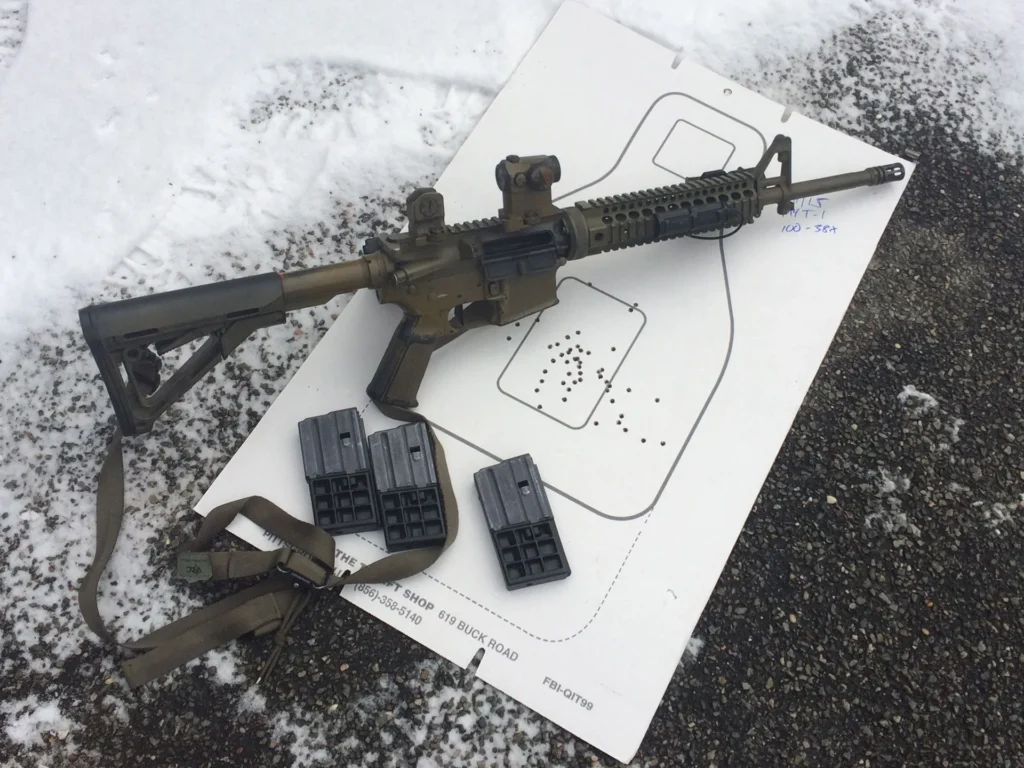
On the order side, what we see for a Virginia shipping address starting July 1 is that magazines at 10-round and 15-round capacities are unaffected by the new rule. A Virginia resident ordering a 15-round pistol magazine for a standard-capacity handgun is ordering within the legal threshold. The same applies to 10-round options across both handgun and rifle categories.
Virginia residents can reference the catalog for magazine options in compliant capacities, including handgun magazines and rifle magazines filtered to 10- and 15-round options.
A useful cross-reference for thinking through compatible calibers and platforms against those capacity options is the caliber and capacity reference available in the blog archive.
Magazine capacity rules vary by state. What is legal at a given capacity in Virginia may differ from what is legal in adjacent states, and a capacity that is now restricted in Virginia may remain available in other states.
Legal Challenges: What the Lawsuits Mean for the July 1 Date
Virginia’s new magazine capacity law faces active legal challenges. A lawsuit has been filed in a Virginia state circuit court, and a separate federal lawsuit has been filed in U.S. District Court for the Eastern District of Virginia. Both were filed after the law was signed in May.
As of the publication date of this piece, neither suit has produced a preliminary injunction. The law is set to take effect July 1, 2026, unless a court intervenes before then.
It is also worth noting that enforcement dynamics are in play. Some Virginia prosecutors have publicly indicated they do not intend to enforce the law. That development adds another layer of uncertainty to the practical picture, and it is one the courts will likely address in the weeks ahead.
What this means for Virginia residents is that the legal situation is genuinely unsettled. The enacted statute is the operative legal reality today. Whether it still governs after July 1 depends on whether any court issues an injunction.
The honest read is this: watching for updates is not just a disclaimer in this situation, it is a practical necessity. Preliminary injunctions have been granted in analogous state-level magazine-capacity cases in other circuits. They have also been denied. The outcome in Virginia is not predictable from precedent alone.
Virginia residents navigating this rule should check their local laws and watch for court developments in the weeks surrounding July 1, 2026. The status of this law could change before or shortly after the effective date.
Sources: Code of Virginia §§ 18.2-309.1 and 18.2-287.4:1, as enacted by 2026 Acts of Assembly Chapter 1106 (HB 217), approved May 14, 2026 (Virginia Legislative Information System, chaptered text CHAP1106); Governor’s office news release on signed bills (May 14, 2026); NRA-ILA coverage of the enacted law and associated legal challenges (May 2026).
Frequently Asked Questions
Virginia’s new magazine capacity law prohibits the sale, purchase, transfer, barter, and importation of magazines capable of holding more than 15 rounds of ammunition. It does not restrict possession, and it sets no age limit. The law takes effect July 1, 2026.
Under Virginia’s new magazine capacity rule, 30-round magazines are no longer legal for sale, purchase, transfer, or importation in Virginia. The rule sets the threshold at magazines holding more than 15 rounds. Thirty-round magazines exceed that limit. The law does not restrict possession, so anyone who already lawfully owns one may keep it, regardless of age.
Ten-round and 15-round capacity magazines remain available and are unaffected by Virginia’s new magazine capacity rule. The rule applies only to magazines capable of holding more than 15 rounds.
The law does not restrict possession at all, so magazines you already lawfully own are not affected, regardless of your age. There is no requirement to surrender, register, or destroy them. The restrictions apply only to selling, purchasing, transferring, bartering, or importing these magazines, which you cannot do once the law takes effect. Virginia residents with questions about their specific situation should consult a qualified attorney.
No. Virginia’s magazine capacity law sets no age limit on possessing a magazine of any capacity. It restricts only the sale, purchase, transfer, barter, and importation of magazines over 15 rounds, and those restrictions apply to everyone equally. A 20-year-old may lawfully possess a magazine over 15 rounds just as a 21-year-old can.
Disclaimer: This article is general information, not legal advice. Firearms and magazine laws change often, vary by state and locality, and can be affected by pending litigation, including the legal challenges noted above. The details here reflect our reading of the enacted statute as of the publication date and may not account for later amendments, court rulings, or enforcement decisions. Verify the current law against the official statutory text or consult a qualified attorney licensed in your state before acting on it. Customers are responsible for knowing and following the federal, state, and local laws that apply to them before ordering. Target Sports USA assumes no liability for actions taken based on this content.

Kailon Kirby covers the ammunition market for Target Sports USA, where he has a view most writers never get. Working inside one of the country's largest online ammo retailers, he tracks pricing movements, supply conditions, and brand-level shifts as they happen, not after the fact.
A Connecticut State Pistol Permit and Concealed Carry holder, Kailon isn't just watching the numbers. He shoots, he carries, and he understands what market changes actually mean for the person standing at the counter or checking out online. That combination of ground-level industry access and shooter perspective is what shapes everything he writes.
When something is moving in the ammunition market, Kailon is usually the first to see it.
- Kailon Kirby
- Kailon Kirby
- Kailon Kirby

- Kailon Kirby

Madalynn (Maddie) Giglio is a part of the creative team behind the brand marketing moves at Target Sports USA. With several years of experience across blog content, social media, and strategic marketing, she brings a seasoned eye to every campaign worked on, whether it’s collaborating hand in hand with top influencers like Tony Sentmanat (RealWorldTactical) or reppin’ the TSUSA brand at industry events like the Great American Outdoor Show (GAOS).
She has built a strong foundation in the firearms space by obtaining hands-on experience in the field, learning from industry pros, and hitting the range with friends and family. Her mix of first-hand experience and marketing instincts makes her a trusted voice and helps her craft content that speakers to serious shooters and new gun owners alike.
- Maddie Giglio

- Maddie Giglio
- Maddie Giglio
- Maddie Giglio